
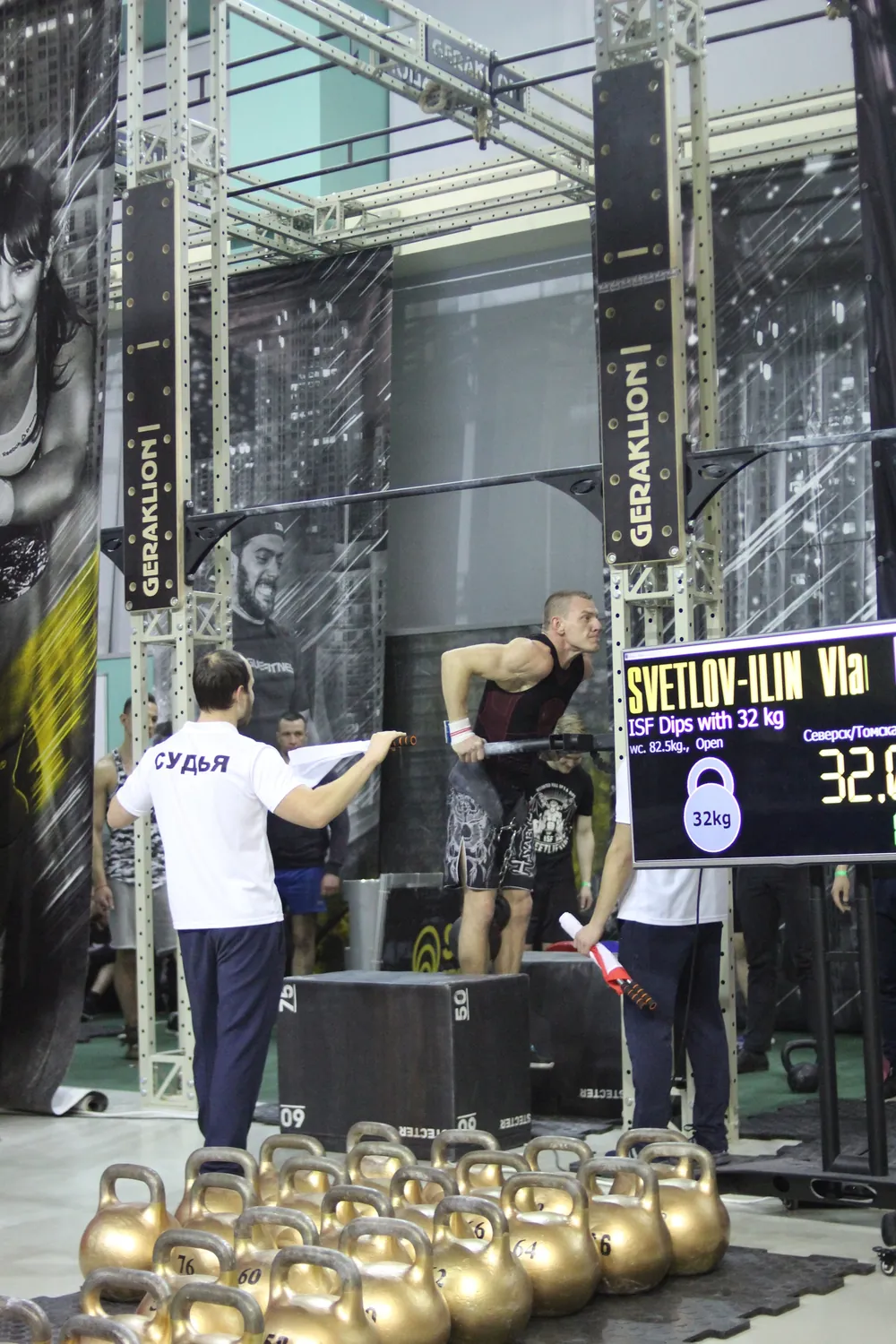
Organizing a streetlifting competition is a technical and operational project. The goal is not only to gather athletes, but to create a fair, safe and repeatable event where results can be trusted by athletes, referees, national federations and ISF.
1. Define the purpose and level of the event
Start by defining why the event is being held and what status it should have: club tournament, city event, national qualifier, national championship or international competition. The status determines the required rules, referees, documentation, equipment, anti-doping obligations and reporting standard.
For events that seek official recognition, contact the national federation or ISF before opening registration. This prevents conflicts with the calendar and helps align the event with the required competition framework.
2. Choose disciplines and categories
Decide which disciplines will be included: classic pull-up, classic dip, biathlon, multirep pull-up, multirep dip or a combined multirep event. Then define age groups, bodyweight categories and entry limits according to the current rules.
Publish the competition regulations before registration opens. The regulations should include the date, venue, organizer, status, disciplines, categories, entry deadline, fee policy, weighing procedure, equipment requirements, referee panel and appeal procedure.
3. Secure venue and equipment
The competition area must be stable, visible and safe. At minimum, organizers should prepare bars, parallel bars, belts, textile or synthetic load-attachment straps, plates or kettlebells that comply with the current rules and applicable ISF approval requirements, scales, attempt cards or electronic attempt handling, a secretary table, timing tools and a clear warm-up area.
- Check all equipment before competition day.
- Use a calibrated scale for bodyweight and equipment checks.
- Separate warm-up and competition zones.
- Prepare backup belts, permitted load-attachment straps and small plates. Chains must not be used to attach the load.
4. Build the referee and secretary team
A competition cannot be official without competent judging and accurate secretary work. Appoint the head referee, side referees, secretary, platform assistants and announcer in advance. For official ISF events, referee qualification requirements must match the event level.
The secretary team should prepare start lists, weighing protocols, attempt sheets, result tables, records checks and final protocols. Critical operations must be double-checked before publication.
5. Prepare budget, partners and media
Budget the event before announcing it. Typical cost items include venue rental, medals, certificates, technical equipment, sound, photography, livestream, referee compensation, assistant compensation, printing, medical support and security.
Sponsors need a clear proposal: expected number of athletes and spectators, media reach, livestream plan, logo placement, on-site activation options and post-event reporting. Do not promise official ISF status, records or titles unless they are approved through the correct federation procedure.
6. Open registration and communicate clearly
Registration must collect enough information to place athletes in the correct categories and prepare the start list. Keep the form simple, but include full name, country or region, date of birth, gender, bodyweight category, discipline, team or federation, contact details and agreement with the rules.
Set a firm registration deadline. Publish updates through one primary channel and keep all official documents easy to find. Athletes should not need to search across several chats to confirm the schedule, rules or category list.
7. Run final checks before competition day
One day before the event, verify the venue layout, equipment, scales, awards, certificates, printed documents, livestream or photo plan, medical contact, food and water, and the arrival time of referees and assistants.
On competition day, keep the flow disciplined: weighing, rules briefing, warm-up, platform order, attempts, appeals, result confirmation and award ceremony. After the event, publish final protocols and send the required documentation to the relevant federation body.